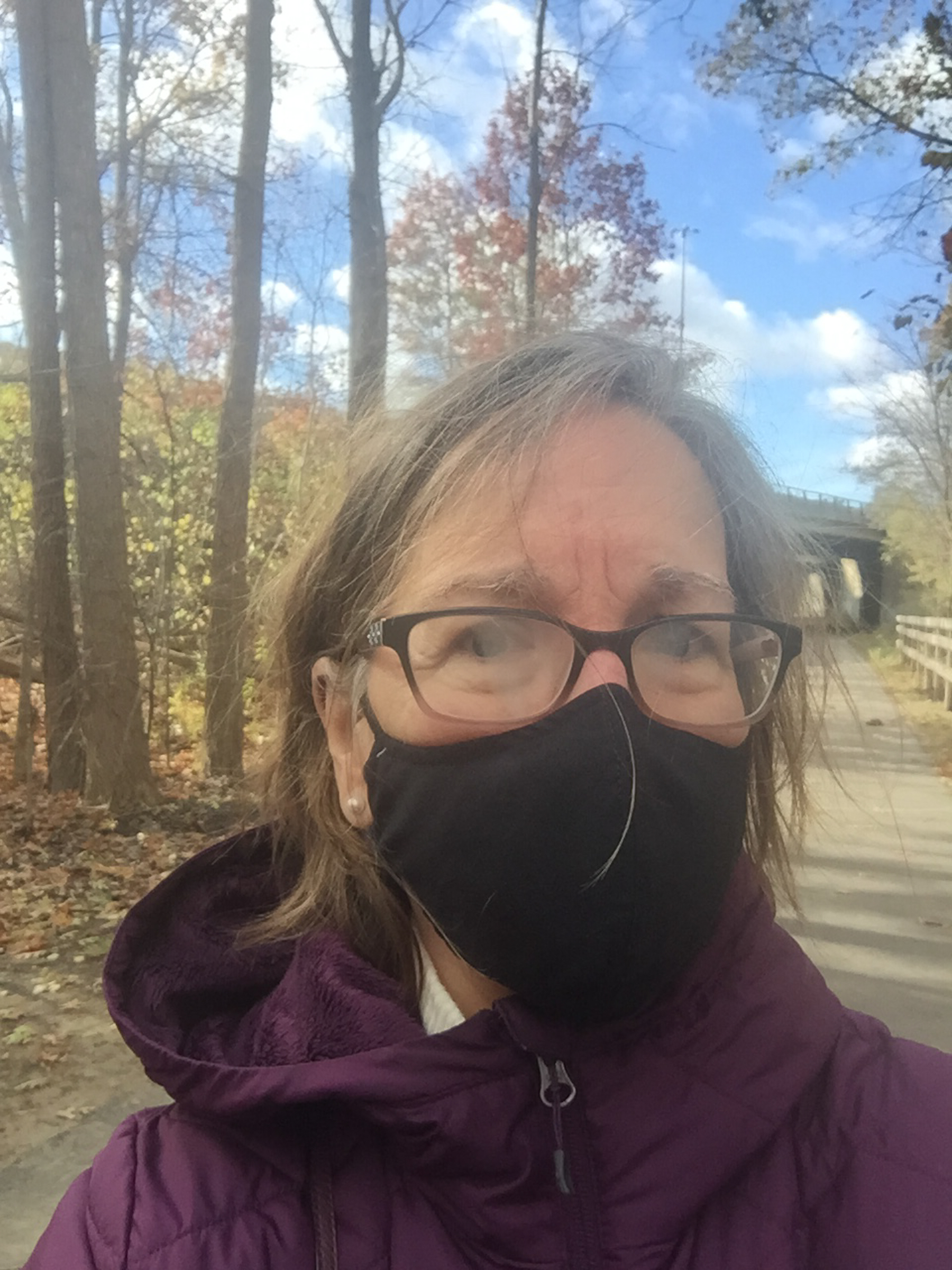
Do you remember Friday, March 13, 2020? That was the date when the COVID-19 virus started to close it all. I have a clear memory of attending a concert, Le Vent du Nord, at the MFA about a week before. There was someone on the train to Boston coughing and who appeared quite ill, and that made me recoil a bit because I’d already been hearing about a “new” virus that was running rampant. I was hoping that passenger hadn’t infected either of us.
The COVID lockdown was a strange and isolating time; I’m not sure that we all aren’t scared a bit by it even now. I had several health issues pop up; not surprisingly, these things happen when you reach a certain age. If you could get an appointment with a doctor, it took months, and I couldn’t get a doctor to look at me, so that diagnosing those issues took months.
We ordered groceries online and picked them up at designated spots in grocery store parking lots. We washed out groceries – even the cereal boxes – when we returned home. We stopped going out to eat, but once in a while could order a food delivery. Once we ordered ice cream for delivery.
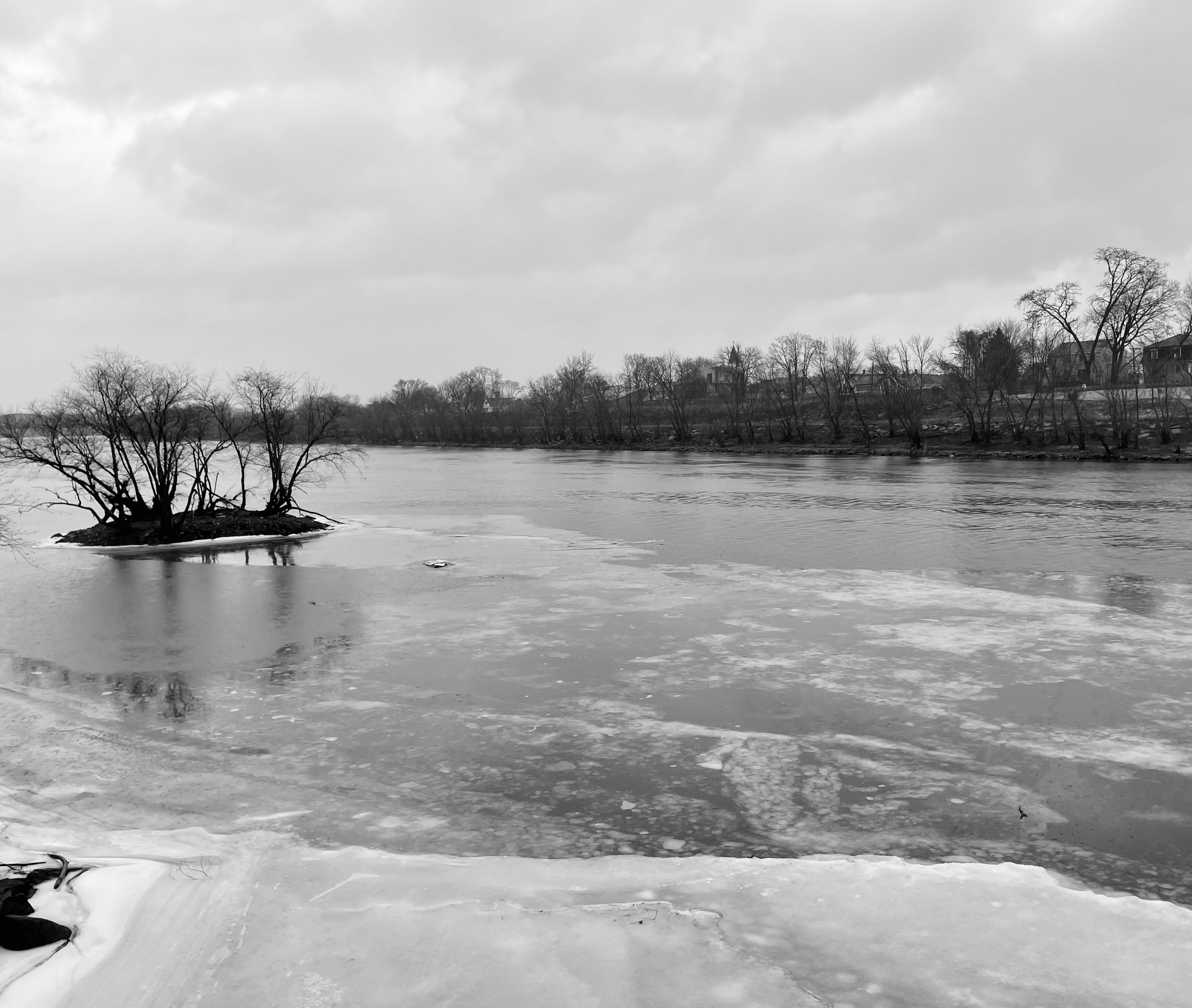
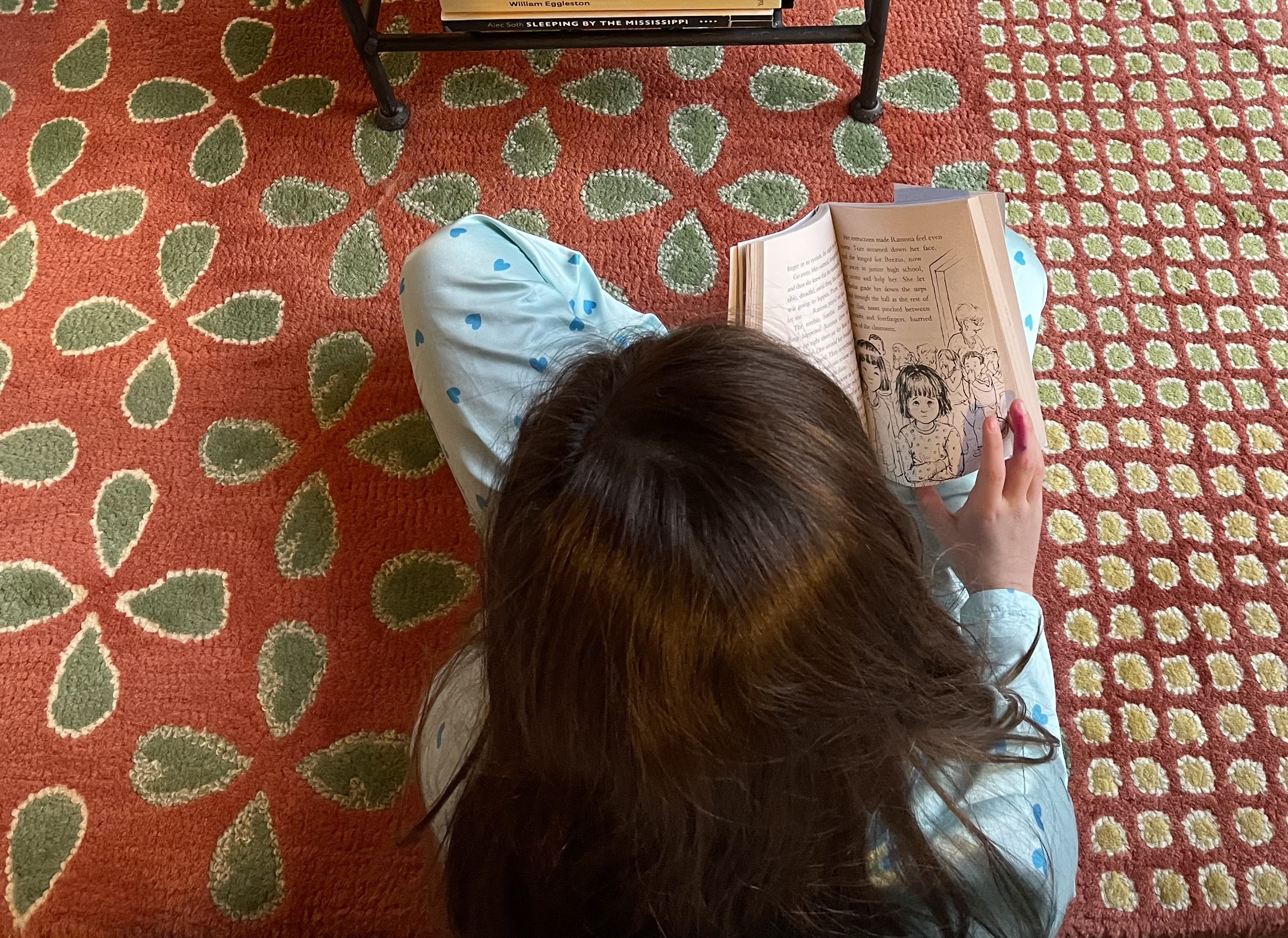
We sanitized our door handles and kept to ourselves in 1632 square feet of living space. We tried to stay busy; Adrien did a photography class on Zoom. Even though he was close to retirement, COVID curtailed the rest of his commercial business, so he packed that up and moved on. We had to isolate from our son, daughter-in-law and then 2-year-old-granddaughter. She would call us using FaceTime occasionally and we all tried to make do with air hugs and video feeds. Adrien’s photography documents what that was like for us in his photo essay, Alone Together.
When the COVID vaccine was finally available, it was a very emotional experience for me. As we lined up with our community at a giant manufacturing building to receive vaccinations. I thought I had truly hit the lottery. My mother and her elderly peeps piled into a car for a drive-through vaccine a few towns away in New Hampsire. I’m not clear who had an appointment, but those neighbors were in it together, appointment or not.
After our second shot, the other shoe dropped and we both got COVID. What we experienced was far less debilitating than many early patients experienced. However, getting sick in sequence, taking Paxlovid, rebounding followed by testing, testing, and more testing. That little pink line was my nemesis. I don’t know how medical personnel survived the mental stress of these risks and the threats and disruptions to family they lived with. They were heroes when we needed that most and that debt can never be repaid.
Nor can the debt to my education friends. They invented ways to keep moving forward and supporting children and their families. Educators lived with the cognitive dissonance of delivering instruction online despite networks and internet connections that were often shaky. Teaching staff, bus drivers, cafeteria workers drove meals or school supplies to families living with food insecurity, an important part of living in a city where poverty often rears its head. Educators tried to create a normal learning environment out of one of the most abnormal times. Kids sometimes disappeared from classes with no explanations. Eventually when it became clear that some students had gone missing, educators didn’t give up or give in.
Five years. While we personally lost pieces of our everyday life, we recognize our loss was minor compared to those who lost family members and friends. Our loss was time. We cannot get that back, but still, we feel lucky to have made it through.
Because five years ago, even as the US President was advising citizens to inject bleach or to take a horse medicine, those in public health were the voice of reason and guidance. Five years later, I can no longer say that is true. Our public health guidance is flawed at best and deliberately skewed to reflect a political view of someone with neither science nor medical facts.
Tomorrow, Friday, March 13, I will take a moment to remember how things were when we were all under the cloud of COVID. And hope that, should there be a repeat of a health threat this massive, I hope the public health system has been rebuilt to protect us all.