• Photo by Anna Nekrashevich on Pexels.com

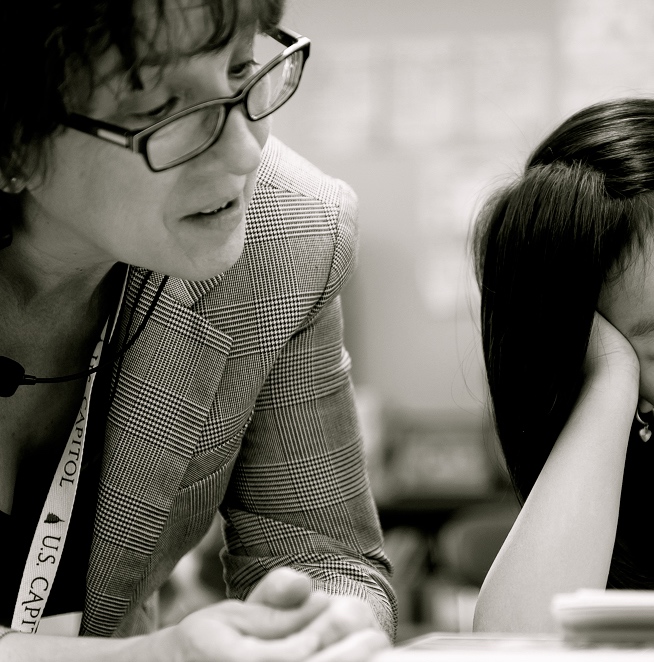
    I was a high school student in the late 1960s. Education was a lot different back then, though not necessarily the “Leave-it-to-Beaver” high school experiences depicted on television. Starting with my junior year, our English classes switched up a bit from the standard fare English coursework to mini courses. I don’t know who came up with this idea, but it was a brilliant one – teaching students the necessities of high school level English through engaging content that seemed to reflect the time we were living in.

    One of the most impactful mini courses I took was called “Propaganda and Prejudice”. For the record, this was a public high school in New Hampshire, and the usual English skills of reading, writing, and speaking were still taught, just through the lens of examining things like Thomas Paine or even advertising materials. I don’t think my abilities in English suffered from the shift in focus.

    The lessons of examination, consideration, and verification were not lost on me. In fact, if I had to point to something I learned in high school that has stayed with me for more than 50 years, the lessons learned in this mini course would be at the top. This week, after reading how polls show the current occupant of the White House is more popular than ever, I needed a moment of reflection on exactly what I was looking at.

    My first inclination when reading about polls and how the data is analyzed is to wonder who actually participates. Quinnipiac University is a highly regarded poll after all. Who – and how many participants – are part of this survey?

    From this quotation on the Quinnipiac Poll website, I got part of the answer:

    The Quinnipiac University Poll uses what has long been considered the gold standard methodology in polling: random digit dialing using live interviewers, calling both landlines and cell phones. This methodology has been the key to our accuracy over our many years of polling.

    When a pollsters’ reliance is on cellphones and landlines, I need to question the reliability of the data. A telephone poll, even one using what appears to be randomized information fitting a particular criteria, would seem to be skewed. Who answers random calls from unidentified callers? I’m a Boomer; I do not. Most people younger than me do not answer random unknown calls either.

    Data collection and polling are complicated processes in the information age. With spoofed numbers, scam calls, unless I recognize the phone number or the person calling me, I’m not apt to pick up. So are large number of “potential voters” being left out of the data? Would those who are not being queried drive the data in another direction?

    The questioning of information taught to me by Mr. Temple and Ms. Podulke way back in high school are, in my opinion, essentials. Who is answering the questions is just as important as what the answer might be. Full stop. 

    When the headline writers and news analysts tell me Mr. Trump is more popular now than on Election Day last November, I am skeptical. Dig a little deeper. Maybe the full picture is not being represented.

    Examine. Consider. Verify. Or at least point out where data collection might be impacting the analysis.
  • This week I happened on a NYTime story about an amateur photographer in Paris. Raoul Minot, was an employee of Le Printemps in Paris, and an amateur whose resistance to Nazi Occupation of France took the form of documenting 1940s Paris. M. Minot made thousands of photographs, often adding commentary or explanation, knowing that making photographs of life in Paris was, per the Occupation, forbidden. Because he realized the dangerousness of such an activity – his Brownie camera was often hidden in his coat – he himself remained a mystery, developing film, secretively, in the darkroom of the department store where he worked and passing prints to friends and colleagues in secret. He was anonymous until recently.

    Eventually, Minot was reported, and deported to a Buchenwald Concentration Camp. He died as a result of his treatment in that Camp, shortly after being liberated by American troops.

    Resistance, such as that told through the story of M. Minot and his photography, is at once heroic and inspiring. But for most of us, the act of resisting will not be recorded in history books.

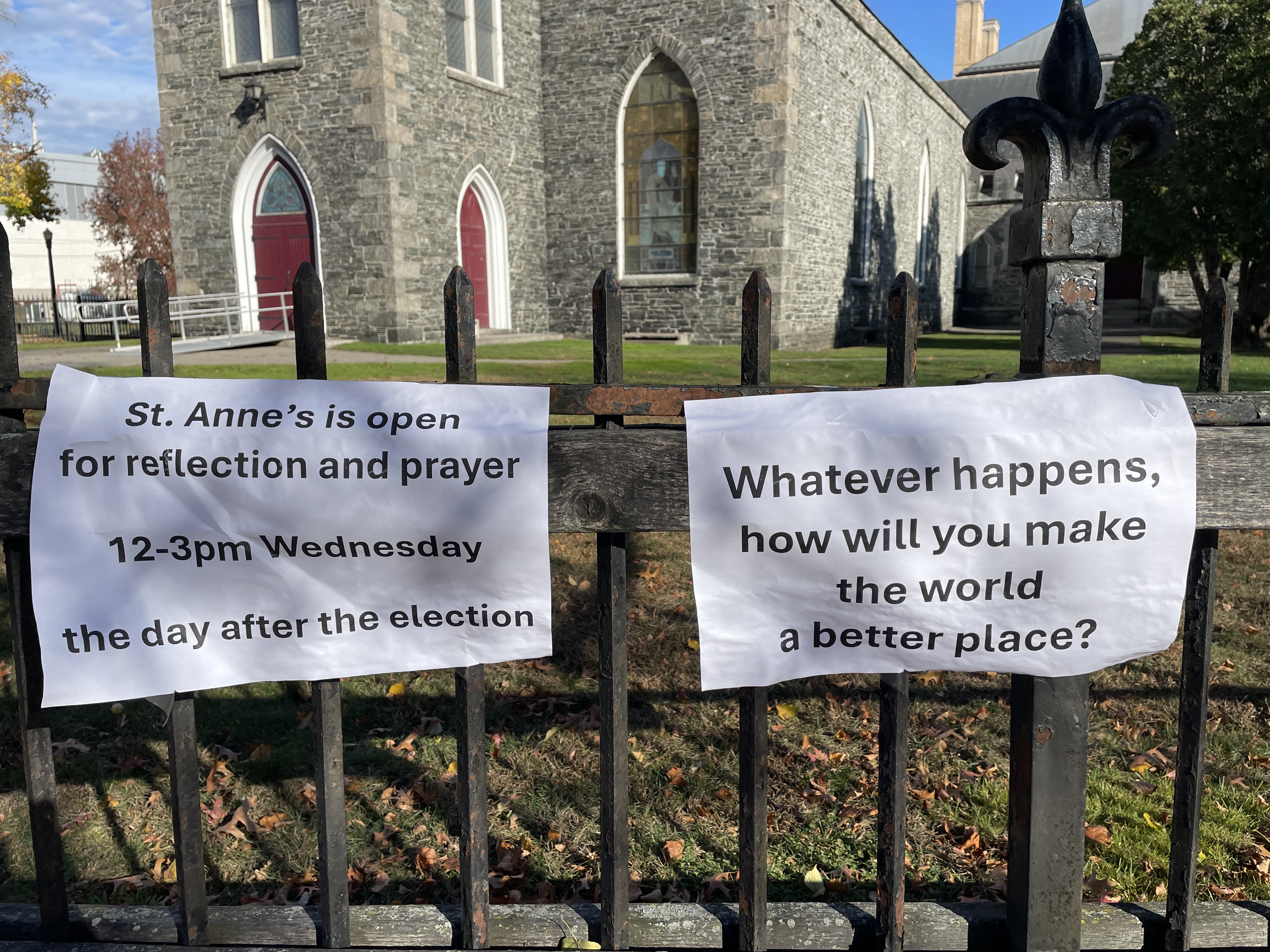
    The election is done, and peaceful citizens abide by that. I disagree with the results, and feel dread and anxiety about what is ahead. Harm will be caused to people I know and love. That is unmistakable.

    So I must be a resistor too. If I am to be true to my beliefs and accountable to myself, when asked what I did during this time of upheaval, how will I answer?

    I think of this powerful quote as I write:

    Don’t let what you cannot do interfere with what you can do. – John Wooden

    The power center of our country has changed. But I have not. So with John Wooden’s quote in mind, this is where I start. 

  • I was and I am devastated by the results of yesterday’s election. It appears that a person who to me represents all that we, as humans, should avoid is the selection to lead the United States. In case you missed it, I am including this clip from Jon Stewart. I think there is a lot of truth there: pundits and opinion-writers will analyze what happened, and maybe there is some insight there. Mostly there is not.

    For to me, this election came down to the unfairness of some of our votes counting more than others. Also, the embedded racism, misogyny, and fear of “otherness” is apparently insurmountable. A mixed race woman was sadly no match for celebrity and outrage.

    For the past 12 hours, I’ve wondered what will *I* do to make the world a better place?

    Clearly my voting opinion was not of the majority. I believe this election will ultimately decide whether we keep the United States as a Republic or not but my opinion does not matter. The votes have been counted, the final tally is being posted, and time moves forward whether or not I agree with the direction things seem to be headed. As we used to tell third graders, “you win or lose by how you choose.” I am praying that the choice just made does not cause all of us to lose.

    So back to the question: What will I do to make the world a better place?

    A career educator, teaching has always been my passion. The tricky part for me has always been how to best use my knowledge and skill after leaving the elementary classroom. I am not egotistical enough to think what I did 20-plus years ago works in public education today. But recently I came across some astounding information: there is a waitlist for literacy volunteer tutors to work with ESOL students. How could I continue to sit this out?

    So I recently completed training that will enable me to become a literacy volunteer for adults seeking to learn and better their ability to communicate in English. and I hope that I can help someone who is struggling to learn our English language to do so successfully. This is one way I – and you because there are many learners waiting for help – can chip away at the negatives that I fear will follow this election.

    And we have to fight and we have to continue to work day in and day out to create a better society.

    Jon Stewart, The Daily Show, 05 November 2024

    This is where I will start. I, too, will regroup and find opportunities to support those who need help, stick up for those who are denigrated, show empathy and find ways to become a better human. What will you do?

    If you are interested in becoming a literacy volunteer, you do not need to be a teacher. Link here to learn more about Literacy Volunteers of Massachusetts.

  • Spoiler alert: she was.

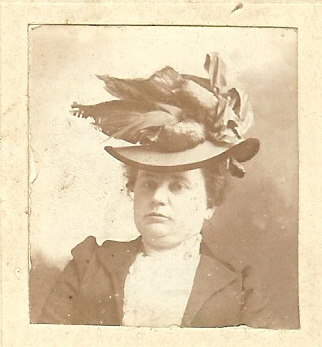
    This is my maternal Great Grandmother, Minnie Palmer Flournoy who died about a decade before I was born. I know of her from the stories told by my maternal grandfather, her son, and my mother, her granddaughter.

    Born around 1859 or 1860 to Missouri pioneer parents (Minnie later listed her birth year as 1867), Minnie Palmer married in the 1880s. Her husband, my great-grandfather Richard Flournoy, was tragically killed in a railroad accident when my grandfather was about a year old. As a woman, the railroad was less responsive to the needs of a young widow; Minnie had to get an attorney before the railroad offered any settlement for her loss.

    And so, with little means of support, Minnie returned from Albany, New York, where she had been living to Missouri. She worked with her father in the family’s hotel in Stansbery, Missouri, and eventually managed a Boarding House in St. Joseph, Missouri, while also working as a seamstress. A strong and resourceful woman in the early years of the 20th Century, Minnie would have been stymied by opportunities available to females.

    It was unsurprising to learn Minnie Palmer Flournoy marched with suffragettes in Missouri before the 19th Amendment was ratified.

    Whenever I head off to vote, I think of women from Minnie Flournoy’s generation who had the courage of their convictions to be vociferous in supporting a woman’s right to vote. History tells us this was not an easy battle, and oftentimes supporters were met with derision and violence. So, as a descendant of a woman who felt it important to ensure women’s voting rights, it is hard to imagine sitting out this election. Or any election, honestly.

    My Mom, Minnie Flournoy’s only grandchild, also voted this year. Mom is 101. She needed to arrange for an absentee ballot, called her Town Clerk, and had that ballot mailed to her at her temporary residence. This would be an incredible 80th opportunity to vote, and the 20th time she voted for President.

    So yesterday I voted early to ensure that nothing would prevent me from casting my ballot. I honor my great grandmother’s courage in advocating for my own voting rights by getting off my butt and voting. No excuses. It has been this way for as long as I’ve been able to vote. I read, I listen, I make a decision. Rain or shine, easy or hard, I vote.

    But I also thought of my granddaughter and what kind of world she might look forward to should the former president be elected to a second term.

    For me, the choice this election was an easy one. The former president and his anointed vice president have made clear what they plan for our country should their campaign be successful. The vengeance in their rhetoric, the lies, the hate, the manipulation. This election should be a slam-dunk. Instead, it’s a head scratching virtual tie. Have we all gone mad?

    I hope the fever dream that has pitted a wannabe celebrity against a highly educated and thoughtful candidate breaks on November 6th with the election of Kamala Harris and Tim Walz. To do that, every Democrat will need to get to the polls. It should not matter if voting is convenient or not. Stand in line, and if it is long, wait. Be sure to get to your polling place in time to vote and know the rules for that. Participate in Early Voting if that’s an option, mail in your absentee ballot so that it reaches your local election office by the deadline. If you are confronted with a voter registration issue, demand a provisional ballot. That is your right.

    It is my fervent wish and greatest hope that the dreams of my great grandmother, who had the conviction to be part of the suffragettes, reach full circle and that I can at last address the President of the United States as “Madam President”.

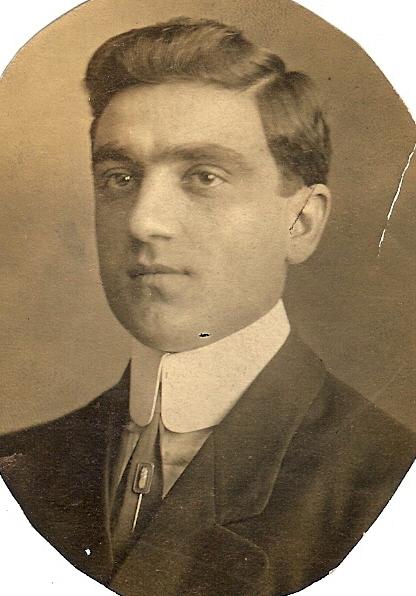
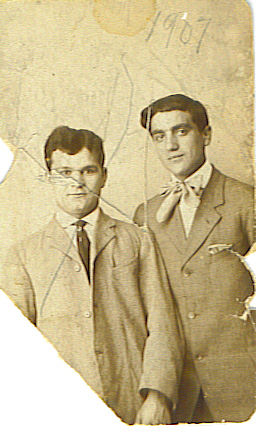
  • On September 17, 1887, my paternal grandfather, Emanuele Concetto Puglisi, was born in Linguaglossa, Sicily. His life story is rather remarkable and serves as a reminder given the context of what is happening currently in this country.

    Emanuel was the last born to his parents, Rosario and Antonina who had 13 children. In fact he was the second Emanuele in his family; an older brother also named Emanuele died in infancy. Life in a Sicilian town could not have been ideal in the early 1900s, but my Grandfather was educated to read and to write.

    The history of Sicily during that time speaks to a place experiencing poverty. There were few opportunities and much upheaval. Sicily had recently been absorbed by Italy and while this was at the time thought to be a good thing, that turned out not to be the case.

    And so, in 1905 Emanuel (name spelling changed at Ellis Island) came to the United States. He arrived at Ellis Island, as many immigrants in the early 1900s did, on a boat called Massilia, landing in New York in May 1905. He was not the first of his family to come to the United States seeking a new life. In his own words, Grandpa Manuel “landed in Harrisburg, Pennsylvania” and was met by his brother Salvatore. He had about $17, approximately $608 in today’s money.

    Eventually, my Grandfather found work in the Hudson Valley of New York, digging New York City’s aqueduct system. He eventually became a storekeeper and then a chauffeur for the managers on the project. It was his interest in automobiles that eventually translated to a lifelong career in mechanics and cars. He owned a garage on Rhode Island Street in Buffalo and sold automobiles; when he was old enough, my Dad taught customers how to drive those cars.

    The story of how Grandpa Manuel met my Grandmother, a second generation daughter from a Dutch-German family living in High Falls, New York, is lost; my Grandmother died in 1927 after a long illness and my Grandfather died in his 90s, nearly 40 years ago. The story of the courtship and eventual marriage between these two with pretty significant cultural differences must be a good one, but there is no one to ask anymore.

    My Grandfather’s immigrant story takes some twists and tragic turns, but what I keep in mind is how he persevered. He left his country of birth to come to a place as a dark-skinned foreigner speaking a language other than English. His cultural norms were different and yet, he made a life for himself economically, culturally, and socially. The prejudices he encountered can be found in the language used to identify one such as my Grandfather: “wops” (without papers), diegos, garlic-eaters. Even my Dad, native born and English speaking, recalled to us that he had been told his hiring at one company was “only temporary”.

    Which brings me back to present times. There is nothing new, unfortunately, in the ways in which the collective we treats those who are different, particularly immigrants. Still, those who knowingly spread lies and rumors about immigrant groups bring vilification and danger on real humans who must be fearing for their lives. They’ve come to the United States from places in our world having experienced dire economics or political horrors. Their belief is that the United States is a land of opportunity, a place where they can survive without fearing for safety for themselves or their family.

    My Grandfather came to the United States seeking such opportunities in 1905, nearly 120 years ago, and because of his persistence, despite the setbacks, challenges, and prejudices he faced, I live a life of privilege.

    I honor my Grandfather on what would have been his 137th birthday, and I try to remember that for me, the way to honor my own ancestry is to be open to those who seek a better life in current times.

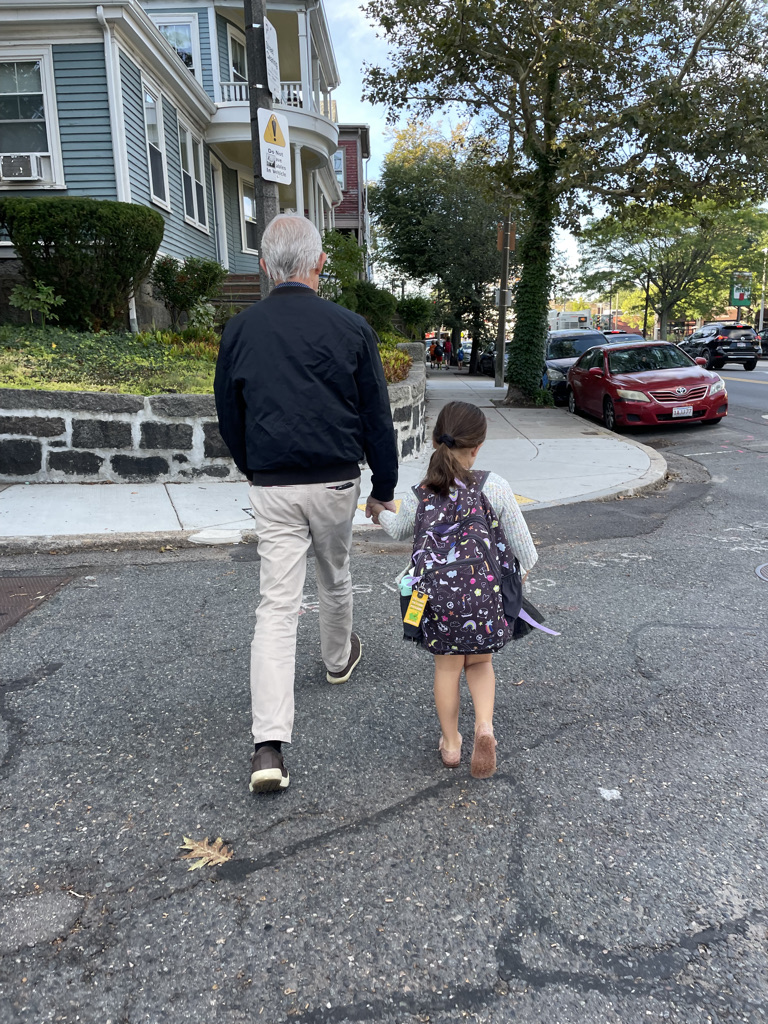
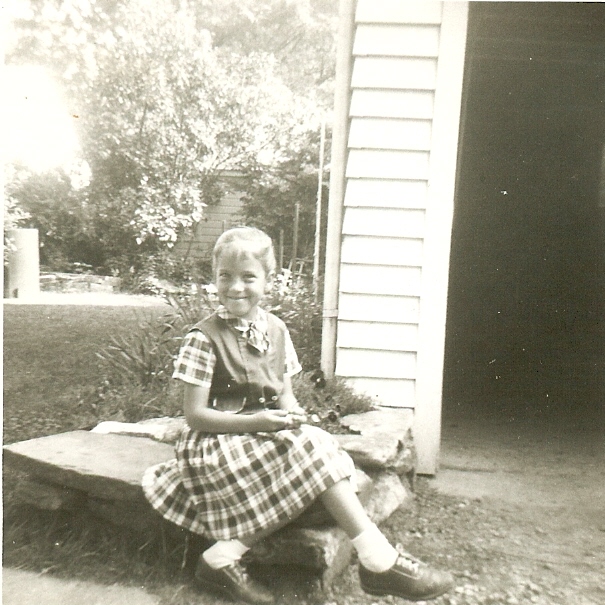
  • Pictured from Left to Right: Me, Z with her Pépère, and me again

    Our granddaughter turns six in the next week and a half. It often seems as if we were meeting her for the first time just a few months ago, not getting ready to celebrate her 6th birthday. The awareness of the passage of time is a strange thing; it does warp my sense of how much of an interval has passed and often puts me in a state of denial. Z cannot possibly be turning 6, can she?

    Even more mind-blowing is that shortly following Z’s birthday, she will begin a new school year. Our granddaughter will be a first grader. That I can recall my own time in First Grade doesn’t really provide much comfort!

    We love watching Z grow into her own personality and make sense of her world. Thanks to her own parents’ love of reading and to their encouragement, she is already a reader and a writer. We are frequently amazed by her sense of experimentation; using cardboard and tape, she built and tested her own water filtering system last week. And just as a scientist might do, Z recorded her experiment in a notebook. I know I may have a slight prejudice here, but I always loved having curiosity-driven learners like Z in my own classrooms.

    I was thinking about Z’s next step as a rising first grader this week and recalling my own introduction to “real” school learning. Back in the day when I first went to school, Kindergarten, which I did attend, was not academic at all. Kindergarten was where we learned to sit, and work or play with others, maybe write our name and tie shoes – early childhood learning was a very different experience from the expectations placed on Kindergarten and beyond today.

    My first grade classroom started in the older of two elementary schools in Huron, Ohio, a small typically mid-western town in northwestern Ohio and on the shore of Lake Erie. I had attended the “new” elementary (now demolished) as a kindergarten student and so my assignment to the Ohio Street School was an unfamiliar experience. I didn’t know many – if any – of my classmates. The two first grade classrooms were in one of the wings of the abutting Junior High, which had been the High School in an earlier time. I suppose due to baby boomer overcrowding, the First Grade had to be housed in the Junior High building.

    On the first day of school, we first graders were lined up in the hallway where the two Grade One teachers called the names of each of us for our class assignment. I remember the scuttlebutt being that the other teacher, the one I was not assigned to, was the popular pick of first grade most likely based on an “older” more experienced outlook from say a second grader. That was the person everyone wanted for a teacher. I remember when my name was called for Mrs. Keefe’s class, I was very apprehensive and maybe even a bit disappointed. This wasn’t going to go well.

    That turned out to be untrue of course. Mrs. Keefe, a kind lady who as an astute 6-year-old I guessed was “ancient”, was the teacher who turned me on to world of reading. Our literacy world revolved around Dick, Jane, and Sally (and Spot) and I loved it. And as most first grade children do, I loved my teacher. I wish I had a way to go back and tell Mrs. Keefe what a positive influence she was and continues to be long after I’ve left Ohio Street.

    So as our granddaughter gets ready to go back to school,  my wish for Z is that she learns to love learning, however that looks for her in this upcoming year. I may have been disappointed in my class assignment on the first day of First Grade, but my teacher, Mrs. Keefe? After that first day of jitters, I loved her and the warmth of her classroom, something I can still pull up from memory today. That’s exactly the kind of connection and experience I hope Z will have, too.

  • I heard a new term yesterday and I really wanted to write about that, but Adrien spoke to me and in that split-second, the word was wiped from my brain. As I get older, the act of immediately forgetting something I’d like to remember annoys me. It also terrifies me for obvious reasons. Trying to conjure up this word will probably haunt me until I finally come up with it. Or forget what I was trying to recall in the first place.

    This aging brain is so full of “stuff”. Sometimes that comes in handy if challenged to a game of Trivial Pursuit. Mainly, though, for me my brain is filled with stuff I don’t, can’t, or won’t let go of… a past grievance, an important conversation that I flubbed, a social faux pas, some other awkward moment that I just seem to need to relive. Yes, everyone has these things happen, but my question is why does a brain – my brain – hold onto such things like a treasure? These are not the things I need to recall, especially when traveling!

    My memory apparently cannot be counted upon to help out when it is needed for something practical, like navigating a City. While we’ve visited Montréal close to 20 times – and walked most of that – I’m amazed at every visit how much I’ve forgotten. Oh the big touristy placed are easily traversed, but the neighborhoods we’ve walked and wandered in seem totally new.

    Sometimes the street names seem vaguely familiar (Prince Arthur, Avenue du Parc, Jean Talon), and sometimes the landmarks are too (St. Viateur Bagels!). The distances between places are totally skewed. What seemed like a 10 minute walk on a past visit, becomes an hour-plus endless walk in the sun this time. I know I’m slower moving, but not that slow.

    On foot, in a car, on public transportation, it does not seem to matter. We end up lost and frantic to figure out how to get to our destination. When I was younger, those detours on foot were easier to manage, and even a little bit of adventuresome fun. Being an older visitor to a travel destination makes me long for a good pair of footwear and a transit pass.

    And so it was for us this trip. We were lost even in the parts of the City we should have remembered. The stuff that fills my brain was of no help. A map on our phones would have helped if only our eyes were about 20 years younger.

    For us, it wouldn’t be travel without an opportunity to get hopelessly lost, and to walk blocks – maybe miles (kilometers?) out of our way. Always in the sun of course.

  • As an elementary-age teacher, I prioritized corresponding with my students through their journals. Sometimes a student would check in with something that had happened in their life – a new baby, a new friend, a fun family activity, but sometimes there would be something more personal or a reaction to a book they had discovered. It was important to me to write in return, sometimes with a question to consider. Nothing complicated; just a connection to the power of writing and words and expression.

    Now that I no longer actively teach, I have been missing those kid connections, at least I did until my granddaughter, Zoe, mentioned that she wished she got “letters” in the mail like her Mama and Daddy. Now at the time of this exchange, she was about 3, so I’m not sure what – or how much snail mail she had been exposed to, but she noticed mail was important. And she wanted some too.

    And so, since that day, I’ve been writing and snail-mailing a weekly note. This has turned into one of my favorite weekly activities as it has also inspired me to create the card as well as the text. Neither the art nor the message are complicated; my watercolors are pretty basic as one might expect.

    Until recent times, the writing has been one-way. But as Zoe, an early childhood learner, discovers letters and sounds and how those things work together to form words, her literate life has expanded. She is beginning to use expressive language herself.

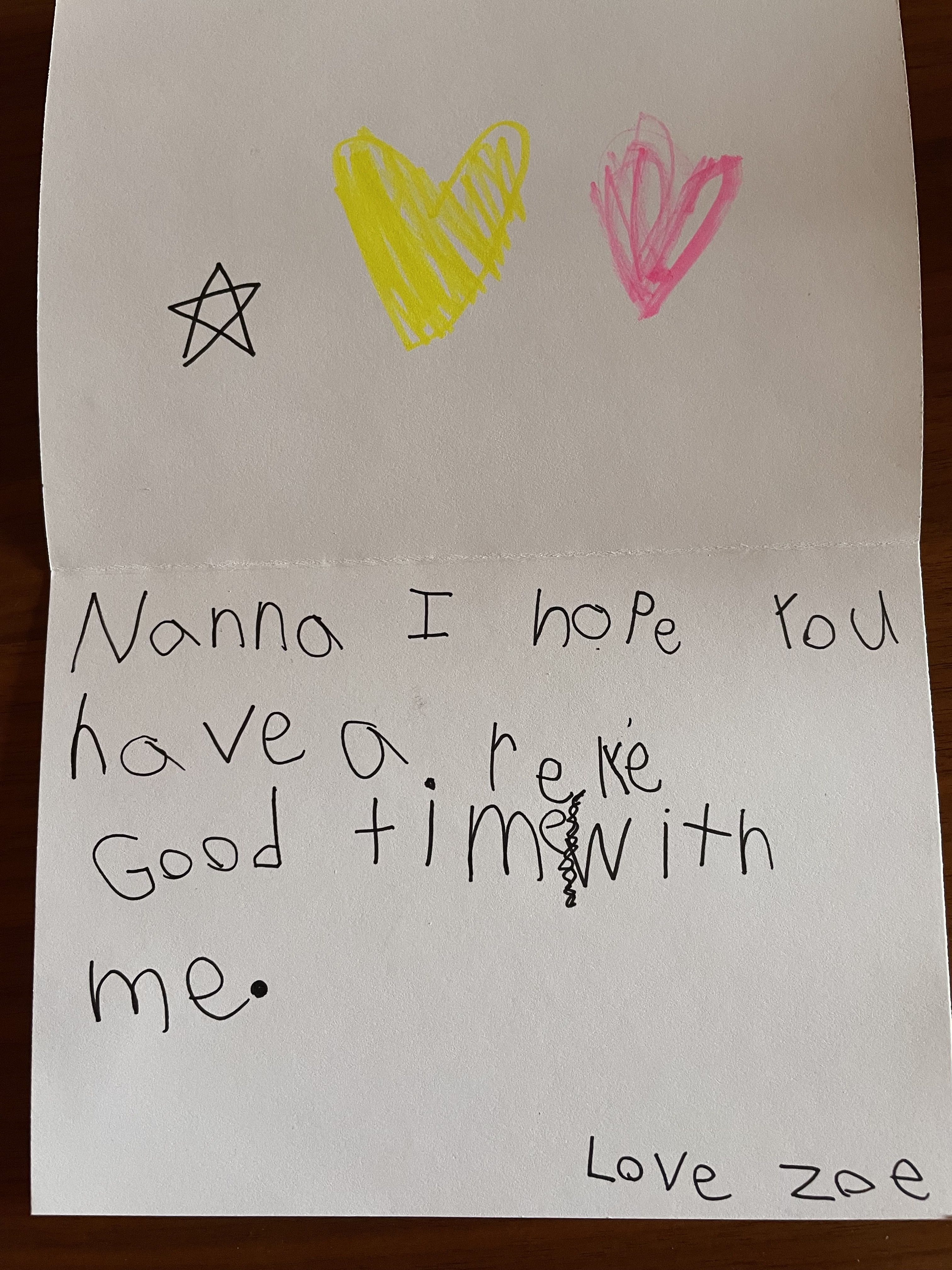
    While visiting us on a mid-winter break stay-cation, without prompting, Zoe sat down at my desk with some paper and a pen to write me the note at the top of this post. As she was quiet and focused for quite a bit of time, I wasn’t sure what she was concocting, but I stayed out of her space, and I’m so grateful that I did. Zoe’s note to me is something I will truly treasure as a grandmother, and as an observer of the power of children learning.

    While to this point in time I’ve always been “Nana” with one “n”; I’m adopting the new spelling of my name, “Nanna”. When I asked her about it, Zoe told me she spelled it as it sounds, nan-na. I can’t argue with that.

    And I can hardly wait until she writes to me again.

  • Photo courtesy Adrien Bisson

    After teaching nearly 30 years, I must admit I am totally confused by the debate over reading instruction. Maybe I am missing something? Balanced Literacy vs. Scientific Methods?

    Over the last 10 years of my long career, I observed that whenever the a specific reading program was dictated, success, often defined by scores on standardized tests, was fleeting. When I worked in a school where the school leaders had worked in classrooms, and as admins continued to spend extended times actually doing the work of teaching, I thought I had achieved nirvana. The training and discussions were rich and deep. I felt supported to try new approaches when they made sense for my students.

    We taught reading under the umbrella of using a balanced literacy approach.

    BALANCED literacy includes effective instruction in five essential components: phonemic awareness, phonics, fluency, vocabulary, and comprehension. If reading instruction is effective, an essential descriptor for successful reading instruction, all of these five elements must be included in instruction. Those same elements are part of a scientifically based reading program, but the difference, I believe is that the scientifically based programs include ongoing research and are spelled out more sequentially. An example would be Orton Gillingham.

    For those outside of education, to insinuate that phonics is not a part of a balanced reading program is a misconception. And the implication that schools should offer explicit phonics instruction as the only decoding strategy is likewise unrealistically narrow.

    I’ve recently read disparaging comments that students are taught “decoding strategies” in place of phonics – which is in my experience, untrue – and uninformed. As an elementary teacher I found explicitly teaching students to use decoding strategies, including, but not limited to phonics, was a pedagogical decision that I continue to feel made sense. Teaching a variety of strategies to decode texts is essential to becoming a fluent reader with good comprehension skills. When I reflect on my own practice as an adult reader, considering what my brain does when I encounter an “unknown”, I use one or more of these skills regularly. For example, when reading a text and encountering a word or term from another language, I often skip and return or use context clues.

    Why wouldn’t I teach students that these strategies are what accomplished readers use, too?

    When a program is determined to be Scientifically based, there is on-going research that provides an analysis of effective pedagogy. The same five components of reading are included with the emphasis on continued research and evaluation how effective these strategies are. Scientifically based reading is NOT a specific program, although I’m sure there are textbook publishers that would like one to believe otherwise. As educators and educational researchers learn more about how to effectively teach reading, it will continue to change. Educators adapt reading instruction to reflect new understandings, and most importantly to address the needs of the students they work with.

    And this is why, for me, teaching reading has always been somewhat of an art as well as a science. No matter what it is called, reading instruction needs to be effective and to include the essential aspects of learning to be literate.

  • There is a particular beauty in writing when it resonates.

    I connected with this piece in today’s New York Times by Margaret Renkl, and through Ms. Renkl’s writing, I’m reminded of the power of observation of the natural world, of quietly reflecting on the order of the universe.

    I’m reminded that the natural world has an uncanny ability to connect with humanity and our reactions to the surrounding chaos that oftentimes is part of the human condition.

    Margaret Renkl suggests that within this moment of uncertainty, there might be an opportunity to observe and connect with our natural world, and I cannot disagree. The next months leading up to the presidential election will no doubt present many, many moments filled with anxiety. I am anxious about that and about the end result; much of my anxiety stems from the nonstop barrage from pollsters, opiners and interpreters of current events, and the press in general; those who seem to have the bully (and I mean that literally) pulpit.

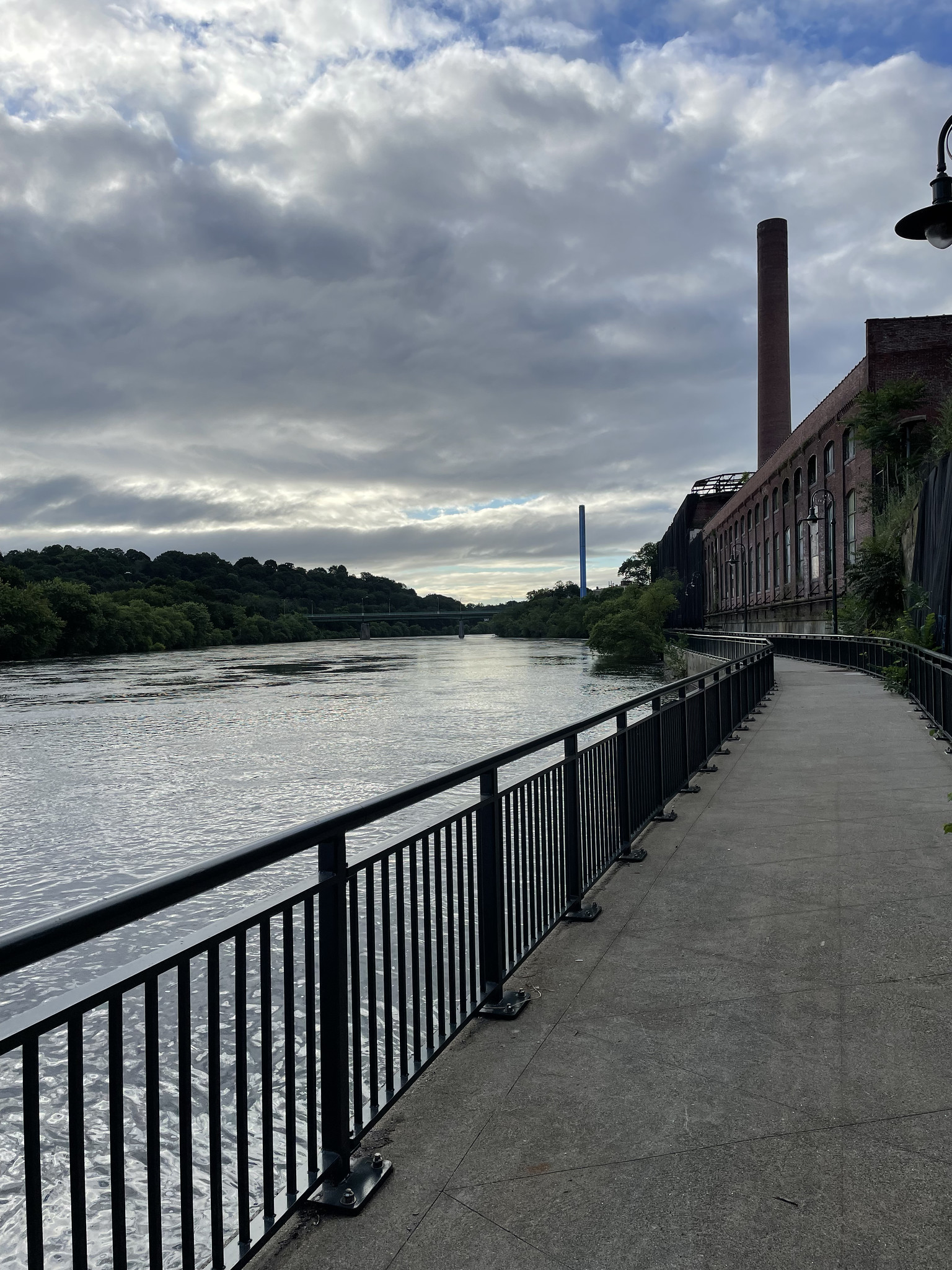
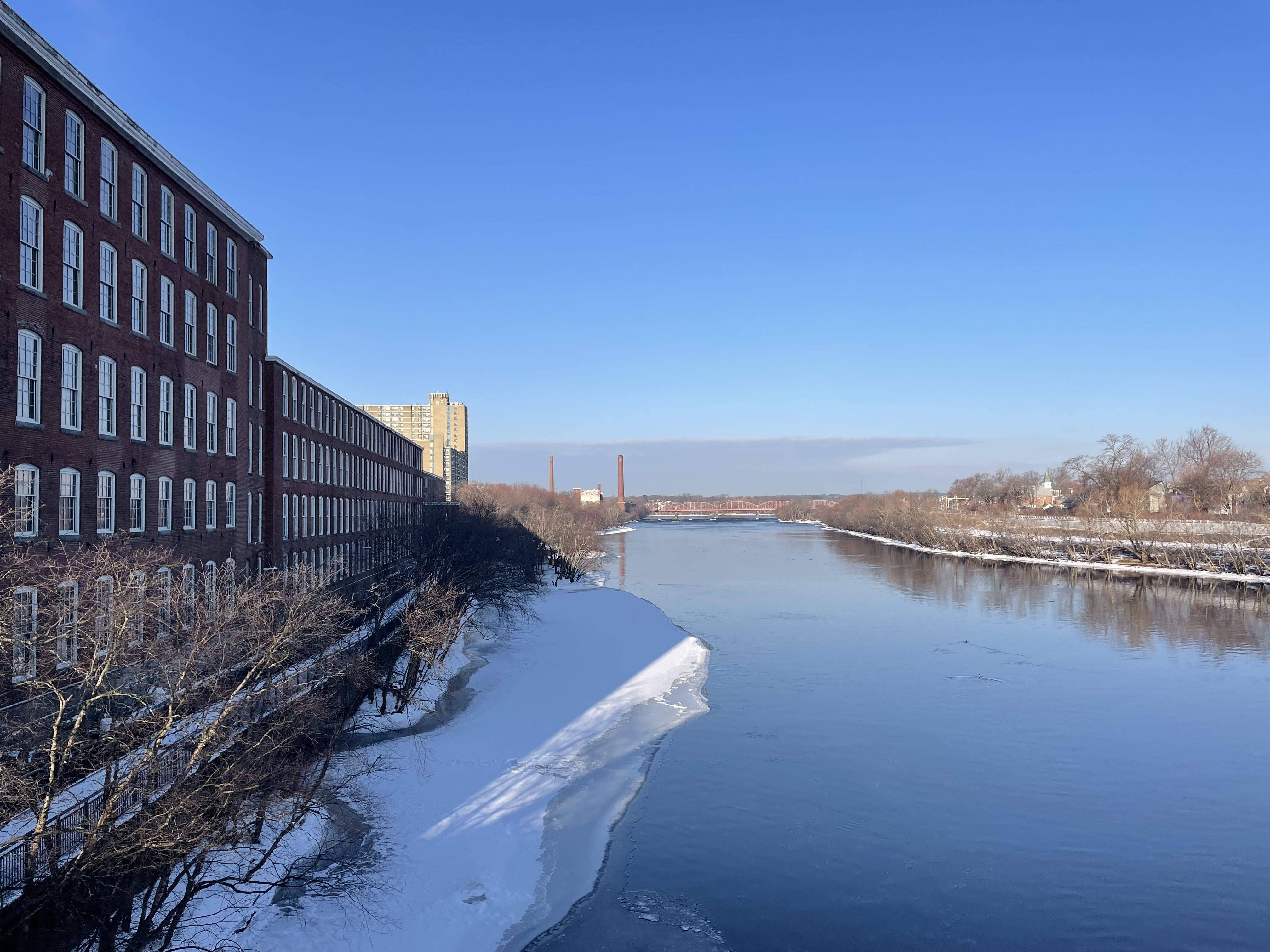
    I live on the banks of the Merrimack River here in northern Massachusetts. The river can, at times, churn powerfully, overspilling the banks and flooding, as it did a few short weeks ago. It is during those times that I am reminded to respect the river’s power to overwhelm. In those days, the Merrimack’s power to take and to destroy whatever is in its path dominates.

    But when the danger passes and the waters subside, there is calmness, a near peaceful co-existence. There may be damages or cleaning up to do, and certainly repairs need to be made.

    It feels to me as we are in the midst of churn now; it is an anxious period when, speaking for myself, I am unsure how much damage will be done and what we will need to recover. But as in nature, we will endure this storm and do what we must.

    This is the way of the natural world.

    Through my subscription to the New York Times, I’ve gifted this article in its original form. Taking a cue from the Squirrels in my Birdhouse (Margaret Renkl, New York Times)