Recently the New York Times published an article revealing some of the back story about standardized test scoring. Read the story in entirety here.
Is there anyone else who finds the bar for test scorers a little low?
This year our grade level team struggled to standardize both on-demand and project writing samples. Trust me, there is no sheaf of papers with rubrics that can prepare anyone, let alone a non-educator, for scoring student work consistently – and fairly.
In the article, one scorer admitted that at the time of the interview – June 2015 – she was just beginning to get the hang of scoring a piece. Consider that admission along side the window for test season. What does that statement mean for the other pieces that were scored ahead of this learning curve? Were the scores inflated or deflated?
In speaking about the vetting process for scorers, a PARCC spokesperson said
Parcc said that more than three-quarters of the scorers have at least one year of teaching experience, but that it does not have data on how many are currently working as classroom teachers. Some are retired teachers with extensive classroom experience, but one scorer in San Antonio, for example, had one year of teaching experience, 45 years ago.
With all respect, are we to believe that just a year of experience makes one an expert in standards? Or that a former educator with 1 year experience 45 years ago, understands and has unpacked the Common Core Standards?
So why not use experienced classroom teachers who presumably have expertise in the standards that are assessed? Well, our friends at Smarter Balance have an answer for that too.
Having classroom teachers engaged in scoring is a tremendous opportunity,” said Tony Alpert, executive director of Smarter Balanced. “But we don’t want to do it at the expense of their real work, which is teaching kids.”
So it’s okay for a classroom teacher to spend inordinate amounts of time doing test preparation or proctoring high stakes tests, but participating in scoring would take away from teaching time? Feigning false concern for how teachers use their time – and possibly having to pay for scorers with expertise and knowledge of the standards?
Oh right. Anyone should be able to do this.
 Advancing technology is going to make this an essential question for every school district to grapple with. Our lesson plans, reviewed regularly, are shared electronically not only with administrators but with colleagues. Documents and resources geared toward teaching, in fact, the teaching guides themselves, are often created by groups of teachers. It may be just a matter of time before enterprising schools, looking for new sources of revenue, want to monetize lesson plans or other teaching ideas developed by teaching staff.



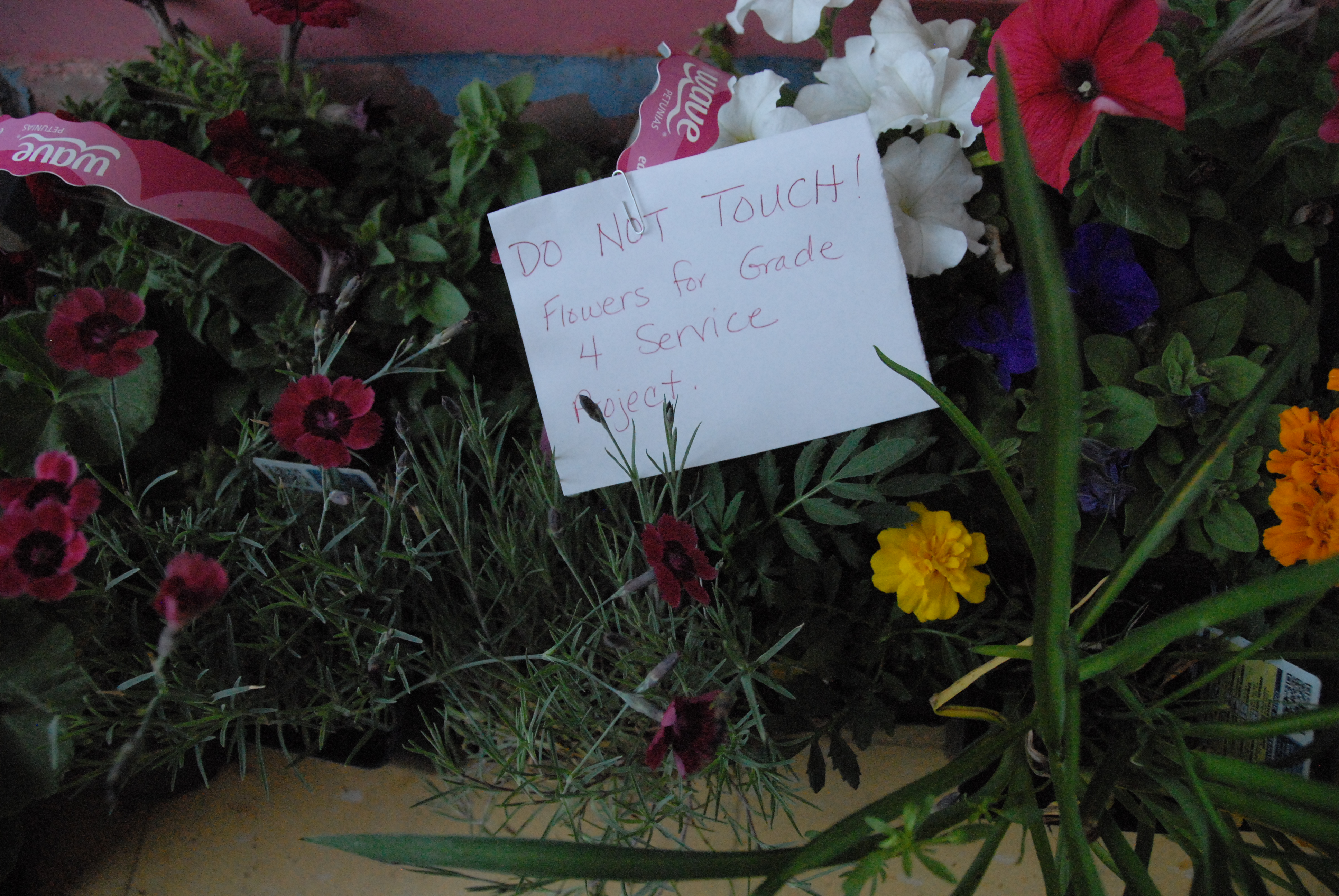
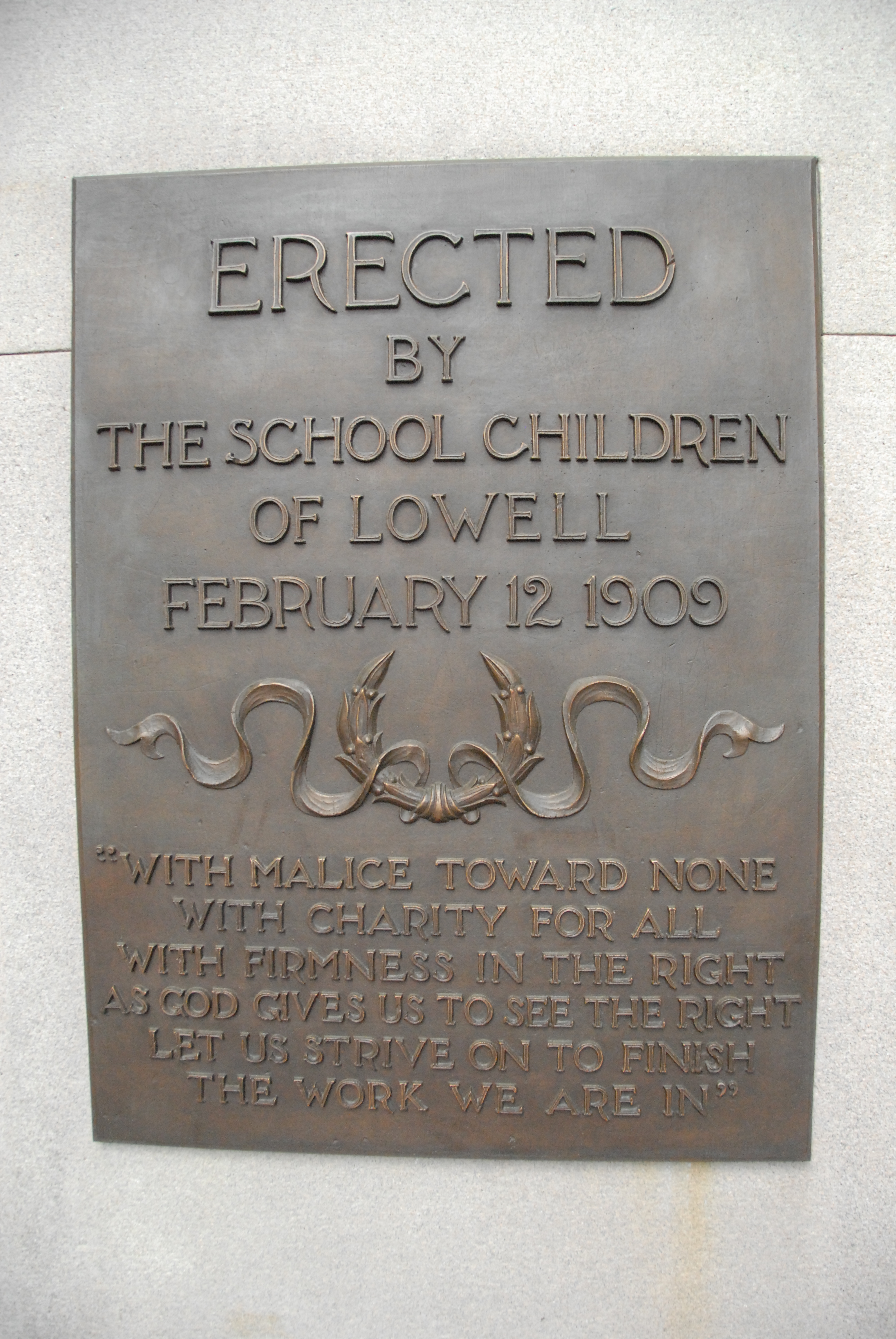
 Savings Bank, Four Seasons Landscaping, and the Steve Purtell of the City Park Department – and our school community, students swept, raked, and picked up this beautiful gem of outdoor space in Lowell. This was the first time planting experience for many of our students. They learned to dig in plants, tap plants out of containers, and even to use rakes and shovels.


 After An Educator's Journey